
Non-Traditional Wedding Dresses: A Guide for Modern Brides
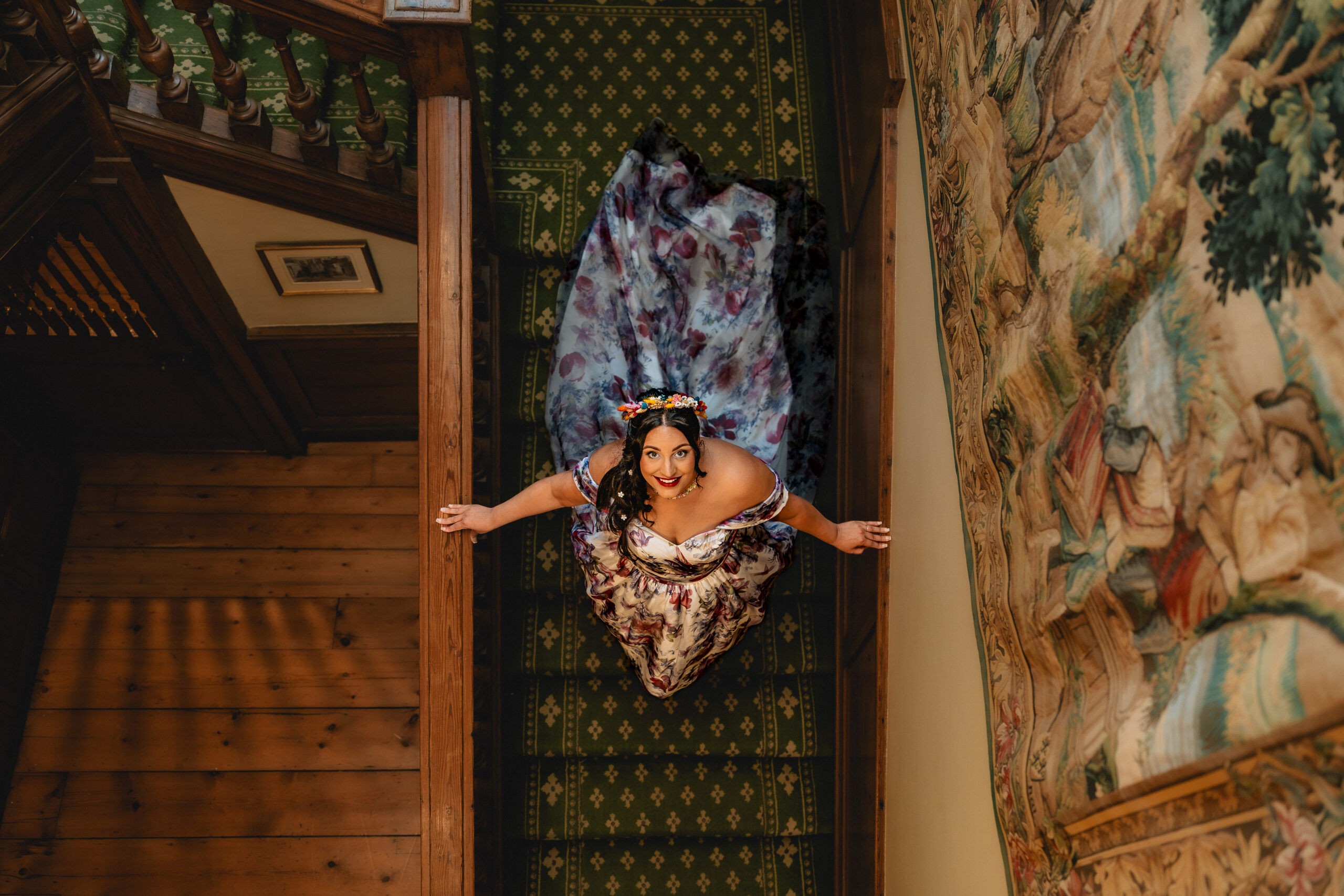
As a wedding coordinator at Hockwold Hall, one of my favourite parts of a wedding day is seeing the incredible variety of outfits our couples choose to wear. From timeless white gowns to colourful dresses, intricate lace designs, elegant jumpsuits and completely unexpected styles, I love seeing how each couple brings their own personality to their wedding day.
There’s something particularly special about seeing someone walk down the aisle in an outfit that feels completely them. Over the years, I’ve seen so many beautiful and unique bridal looks, and it’s always exciting when someone chooses to do things a little differently.
With that in mind, I wanted to share some inspiration for anyone considering a non-traditional wedding dress, along with a few practical tips I’ve picked up from seeing so many wonderful weddings here at Hockwold Hall.
Your wedding dress should reflect who you are, not simply what tradition says you should wear. While the classic white gown remains a beautiful choice, more brides are exploring non-traditional wedding dresses that offer something a little different.
From colourful floral designs and elegant bridal jumpsuits to short dresses, tailored suits and vintage-inspired outfits, there are countless ways to create a bridal look that feels entirely your own.
Whether you’re a bride, a groom or simply someone looking for an outfit that breaks with tradition, there are no rules about what your wedding look has to be.
Whether you’re planning a relaxed garden ceremony in Norfolk, a countryside celebration in Suffolk or a romantic wedding in Cambridgeshire, choosing something unconventional doesn’t mean sacrificing elegance.
In this guide, we explore alternative wedding dress styles, the latest bridal fashion trends, where to shop in East Anglia and practical advice for finding an outfit you’ll love wearing.
What Is a Non-Traditional Wedding Dress?
A non-traditional wedding dress is simply an outfit that moves away from the conventional long, white bridal gown.
That might mean choosing a different colour, experimenting with an unusual silhouette or wearing something other than a dress altogether.
Some brides opt for subtle changes, such as a champagne-coloured gown, floral embroidery or a shorter hemline. Others embrace dramatic alternatives, including black wedding dresses, colourful designs, bridal trouser suits and contemporary jumpsuits.
There is no single definition of an alternative bride.
You might love the romance of a traditional wedding while wanting to wear a tailored suit. Equally, you could be planning an informal countryside celebration but have your heart set on an extravagant pink ballgown.
The important thing is finding an outfit that makes you feel comfortable, confident and unmistakably yourself.
7 Non-Traditional Wedding Dress Styles to Consider
One of the most exciting developments in bridal fashion is the sheer variety of styles available. Designers are increasingly experimenting with colour, tailoring, textures and unconventional shapes.
Here are seven alternatives worth exploring.
1. Coloured Wedding Dresses
Who says wedding dresses have to be white?
Coloured wedding dresses are a wonderful way to introduce personality into your bridal look, whether you prefer understated elegance or something more dramatic.
Soft blush pink, champagne, pale blue and sage green can offer a subtle departure from traditional ivory. For brides who love making a statement, deep burgundy, emerald green, red and black create a completely different aesthetic.
Colour can also complement the season. Imagine a rich burgundy gown against the golden foliage of an autumn wedding in Norfolk, or a pale blue dress surrounded by spring flowers.
British Vogue’s coverage of Spring 2027 bridal collections highlighted pastel pink, soft blue and grey among the colours appearing on the runway.
The key is choosing a shade that suits your personal style rather than following a trend simply because it’s fashionable.
2. Floral and Embroidered Wedding Dresses
Floral wedding dresses offer a beautiful balance between traditional bridal romance and something more individual.
Delicate botanical embroidery, colourful appliqué flowers, embroidered sleeves and patterned fabrics can transform an otherwise classic silhouette.
For spring and summer weddings, floral designs look particularly lovely in outdoor settings. The walled gardens, mature trees and landscaped grounds found across many East Anglian country estates provide a natural backdrop for botanical details.
You could choose a traditional ivory dress with subtle embroidered flowers or embrace a full floral print with shades of pink, lavender, blue and green.
Floral dresses also offer opportunities to coordinate with your wedding flowers without needing everything to match perfectly.
3. Short and Midi Wedding Dresses
A wedding dress doesn’t need a floor-length train to feel special.
Short wedding dresses have become a popular alternative for brides looking for something contemporary, playful or practical.
Mini dresses create a striking modern look, particularly when paired with statement heels, a dramatic veil or oversized accessories.
Midi-length dresses offer a little more coverage while retaining the freedom of a shorter hemline. They’re especially appealing for intimate weddings, civil ceremonies and relaxed celebrations.
Shorter dresses can also make an excellent second outfit.
If you’ve chosen a traditional gown for your ceremony, changing into a shorter dress for the evening allows you to enjoy the dance floor without worrying about a long train.
British Vogue’s 2026 bridal fashion coverage highlights short wedding dresses as an option for ceremonies and receptions.
One practical consideration is footwear. With a shorter hemline, your shoes become a much more visible part of the outfit, so choose something that looks beautiful but remains comfortable throughout the day.
4. Bridal Jumpsuits
For brides who don’t particularly enjoy wearing dresses, a bridal jumpsuit can be an elegant alternative.
Modern bridal jumpsuits come in a wide range of styles, from minimalist tailored designs to flowing wide-leg silhouettes that create the appearance of a gown.
Structured bodices, lace sleeves, statement belts and dramatic capes can introduce traditional bridal elements without requiring a dress.
A well-fitted jumpsuit can also be wonderfully practical, particularly if you’re planning plenty of dancing or moving between indoor and outdoor spaces.
Look carefully at the fabric and fit. A jumpsuit that looks beautiful while standing should also feel comfortable when sitting, walking and dancing.
Consider how easy it will be to manage throughout the day, particularly when using the bathroom.
5. Bridal Suits and Tailoring
Bridal tailoring is an excellent choice for anyone who loves clean lines, contemporary fashion or understated sophistication.
A beautifully tailored trouser suit can feel every bit as special as a traditional wedding gown.
Popular options include oversized blazers, wide-leg trousers, fitted waistcoats and structured jackets.
For a softer look, consider silk or satin fabrics, delicate lace details or a flowing cape.
You don’t necessarily need to choose white, either. Champagne, pale pink, powder blue and even bold colours can create a memorable bridal outfit.
Tailoring is particularly practical for autumn and winter weddings in East Anglia, when cooler temperatures make additional layers appealing.
A bridal suit also offers the possibility of wearing individual pieces again after the wedding, making it an attractive option for couples who value versatility.
6. Bridal Separates and Two-Piece Outfits
If you love the idea of creating your own look, bridal separates offer plenty of flexibility.
Instead of choosing one complete gown, you can combine different pieces to create an outfit that suits your style.
A flowing skirt paired with a structured corset can feel romantic and dramatic, while tailored trousers with a lace top create a more contemporary appearance.
One of the biggest advantages is versatility.
You could wear a full skirt for your ceremony, then change into trousers or a shorter skirt for the evening while keeping the same top.
Separates can also be easier to alter individually, although this depends on their construction and fabric.
If you’re considering mixing pieces from different designers, pay attention to colour and texture. Two fabrics described as ivory may look noticeably different when placed next to each other.
7. Vintage and Pre-Loved Wedding Dresses
For brides looking for something genuinely distinctive, vintage and pre-loved wedding dresses are well worth exploring.
A vintage gown can bring character and history to your wedding day, whether you love the elegant simplicity of the 1930s, the structured silhouettes of the 1950s or the flowing sleeves and lace associated with the 1970s.
Pre-loved dresses can also provide access to designer gowns at a lower price than buying new, although savings vary.
Another lovely option is adapting a family wedding dress.
An experienced seamstress may be able to alter the neckline, shorten the hem, replace sleeves or incorporate fabric from an older gown into a new design.
This can create something deeply personal while preserving a connection to family history.
Before purchasing vintage clothing, check the condition carefully. Older fabrics can be delicate, and significant alterations aren’t always possible.
Why More Brides Are Choosing Alternative Wedding Outfits
For many couples, wedding planning has become less about following a fixed set of traditions and more about making thoughtful choices that reflect their personalities.
That includes what they wear.
Some brides want an outfit that feels closer to their everyday style. Others prioritise comfort, practicality or the opportunity to wear something truly memorable.
There’s also growing interest in having more than one wedding outfit.
According to the Hitched Wedding Trends Report, searches for wedding after-party dresses increased by 50% in its 2026 trend research. This reflects growing search interest in second bridal looks, although it doesn’t mean half of brides are changing outfits. (hitched.co.uk)
A second outfit might be a short dress, a jumpsuit or something completely different from the ceremony gown.
Of course, there’s no obligation to change. A wedding dress you love wearing from the ceremony until the final dance is just as good a choice.
Choosing the Right Dress for Your Wedding Venue
Your wedding venue can influence how practical and comfortable your outfit will be throughout the day.
A dramatic gown with a long train might look spectacular in a historic country house, while a shorter dress or tailored jumpsuit could be ideal for a relaxed garden celebration.
At Hockwold Hall, couples can exchange vows outdoors in the gardens or choose an indoor ceremony surrounded by the character of the historic Hall.
Both settings offer opportunities for different bridal styles.
For outdoor ceremonies, think about how your outfit will work on lawns, gravel paths and garden walkways. Very long trains may need lifting or bustling, while narrow heels can sink into softer ground.
For indoor celebrations, consider whether you can comfortably sit, climb stairs and move between rooms.
And don’t forget the evening reception. If you’re planning to spend the night dancing on our spectacular LED dance floor, make sure your outfit allows you to move freely and comfortably, so you can enjoy every moment of the celebrations.
A good bridal boutique or seamstress can often suggest alterations that make a dress easier to wear without changing its overall appearance.
Non-Traditional Wedding Dresses for Every Season
East Anglia offers beautiful wedding settings throughout the year, but the weather can influence your choice of bridal outfit.
Photography: Fountain Photography
Spring Weddings
Spring is ideal for soft colours, delicate lace, floral embroidery and lightweight layers.
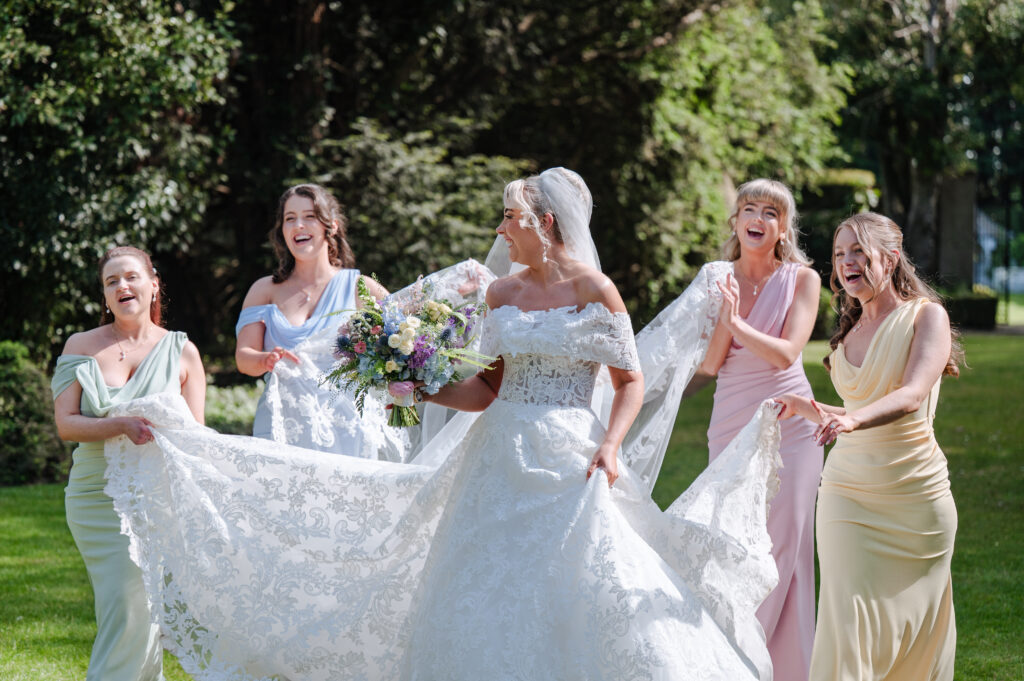
In Norfolk and Suffolk, gardens begin filling with daffodils, tulips and blossom, creating a lovely backdrop for botanical wedding dresses. Romantic lace gowns, particularly those featuring intricate floral patterns, sheer lace sleeves or delicate lace overlays, complement the fresh, natural beauty of the season.
March and April can still be chilly, particularly during outdoor ceremonies. Consider detachable lace sleeves, a tailored jacket or an elegant wrap.
Summer Weddings
For summer celebrations, breathable fabrics and comfortable silhouettes become particularly important.
Lightweight silk, chiffon and flowing skirts can work beautifully for garden ceremonies, while shorter dresses and jumpsuits offer freedom of movement.
If you’re planning an outdoor wedding, remember that even a warm day can become cooler once the sun begins to set.
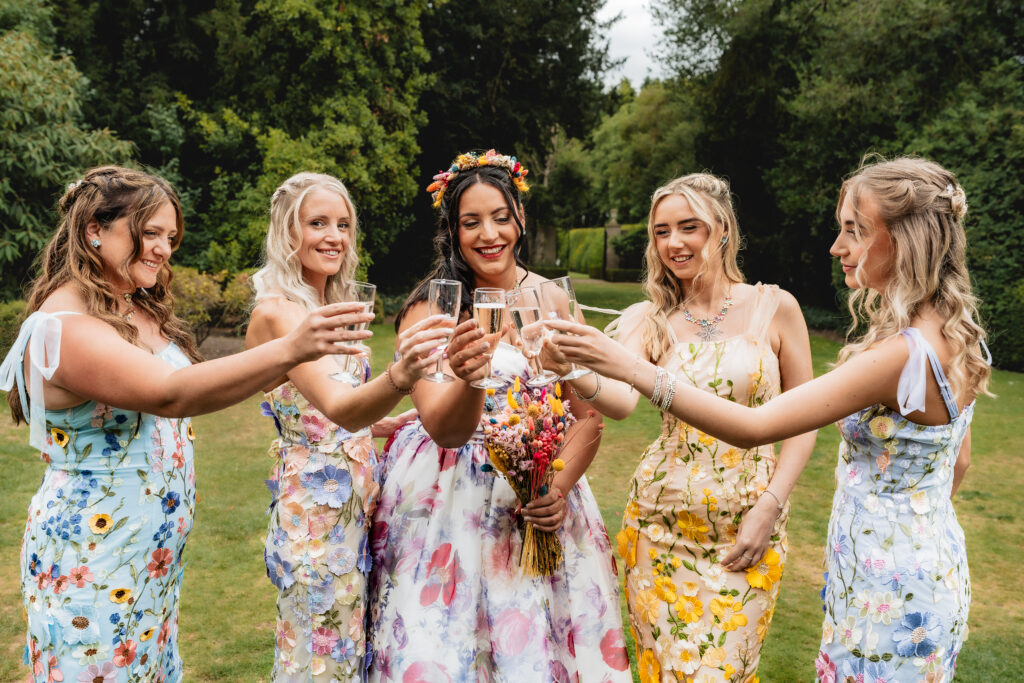
Photography: Kelvin Tung
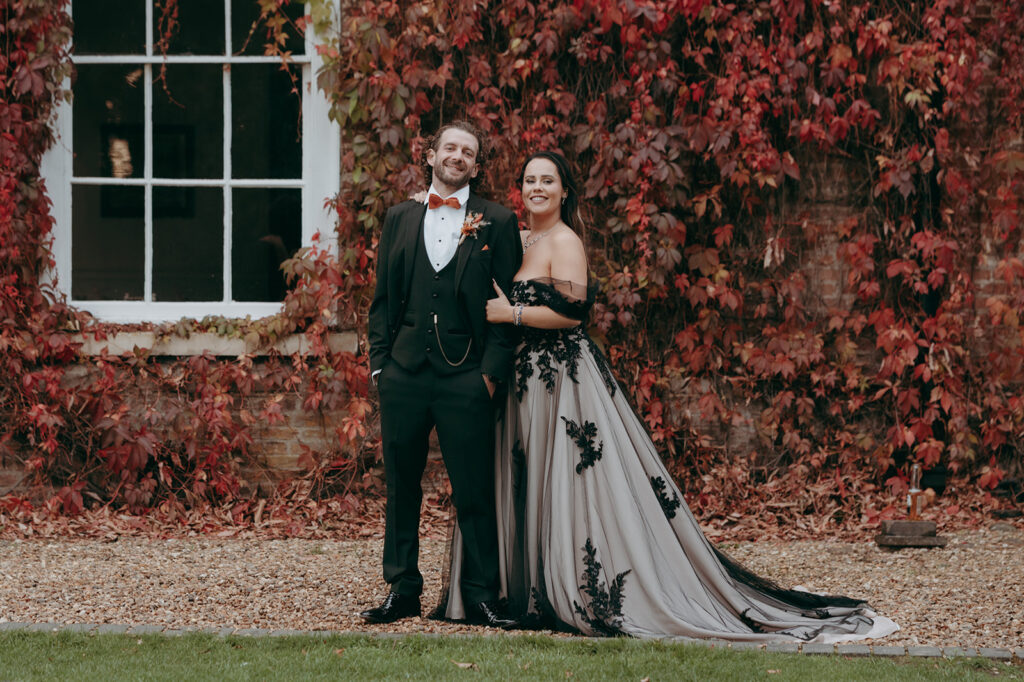
Photography: Damien Vickers
Autumn Weddings
Autumn provides a wonderful opportunity to experiment with richer colours and textures.
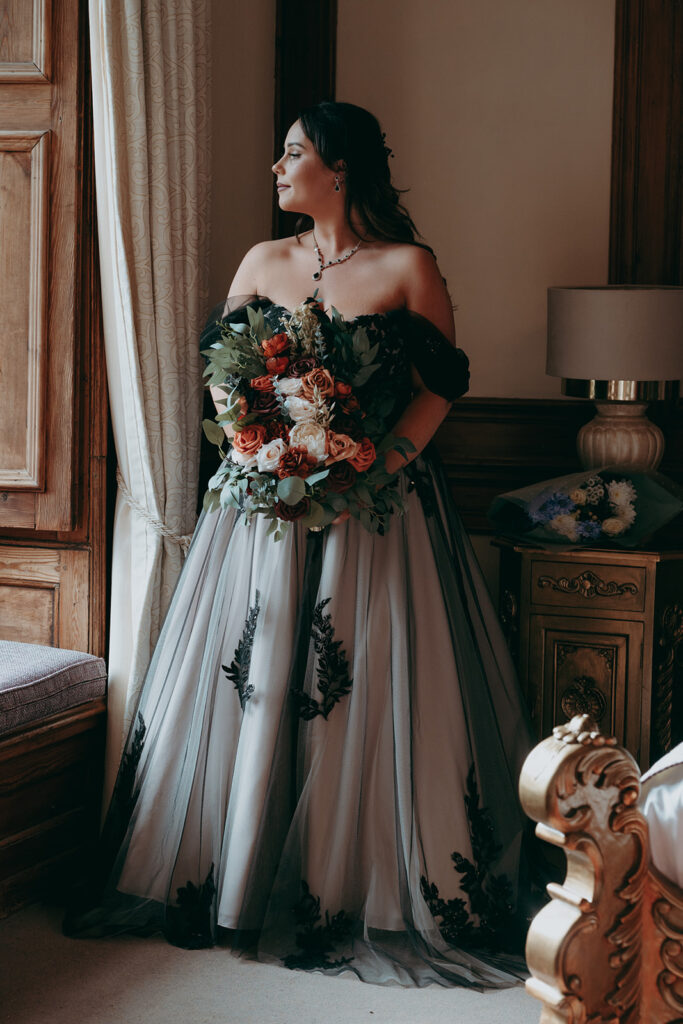
Black wedding dresses can be particularly striking during autumn. With delicate lace, flowing fabrics or intricate embroidery, a black gown can create a beautifully romantic, gothic-inspired look that embraces the atmosphere of the season without feeling overly spooky.
Long sleeves, velvet details and structured silhouettes can add an extra touch of elegance, creating a dramatic and unforgettable autumn bridal look.
Winter Weddings
Winter weddings lend themselves to dramatic tailoring, heavier fabrics and statement accessories.
A white trouser suit, velvet gown or long-sleeved dress can look particularly elegant against candlelit interiors.
At Hockwold Hall, winter celebrations can combine an indoor ceremony with a heated marquee reception, giving couples flexibility without needing to rely on outdoor weather.
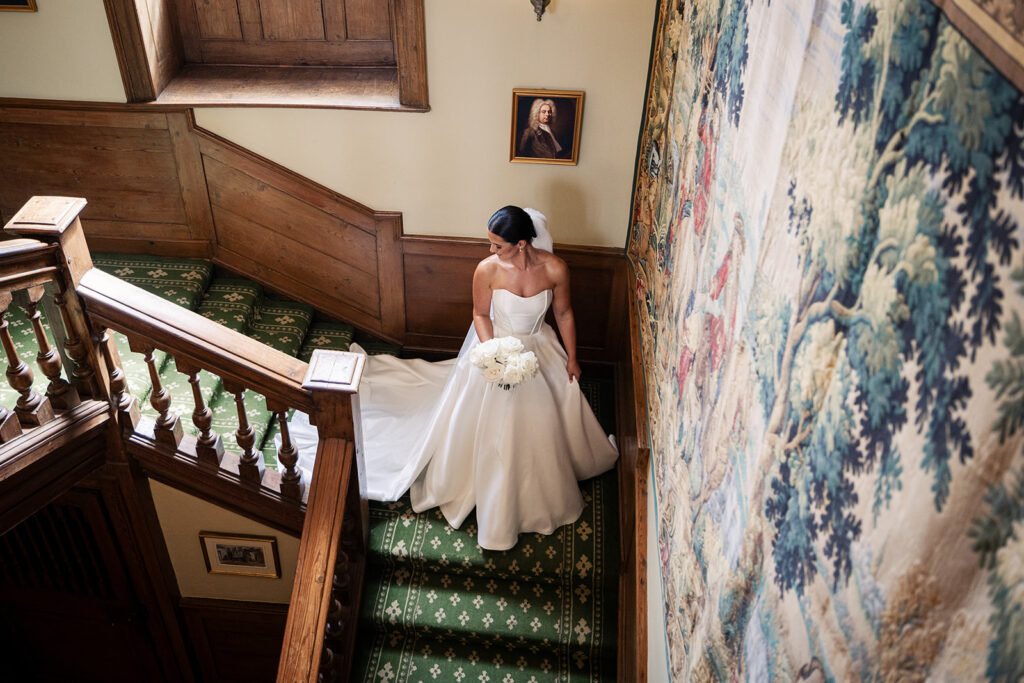
Photography: October James
Where to Find Alternative Wedding Dresses in Norfolk and East Anglia
You don’t necessarily need to travel to London to find an unusual wedding dress.
Norfolk, Suffolk and Cambridgeshire have independent bridal businesses, occasionwear boutiques and experienced seamstresses who can help create a more individual look.
Independent Bridal Boutiques
Start by researching boutiques that stock contemporary designers or offer alternative bridal collections
Before booking an appointment, contact the boutique to explain the type of outfit you’re looking for. Not every shop will stock colourful dresses, jumpsuits or trouser suits, so checking beforehand can save a wasted journey.
Vintage and Pre-Loved Shopping
Vintage boutiques, charity shops, bridal sample sales and specialist second-hand websites can be excellent places to find unusual wedding dresses.
Search beyond conventional bridal categories. Occasionwear, evening dresses and designer separates can sometimes provide exactly the look you’re after.
Bespoke Designers and Seamstresses
If you have a particular design in mind, a local dressmaker may be able to help.
Bespoke clothing offers greater control over fabric, colour and fit, while alterations can transform an existing dress into something more personal.
Always allow sufficient time for consultations, fittings and adjustments, particularly if your design involves intricate embroidery or specialist fabrics.
How to Make Your Wedding Outfit Feel Like You
The most important consideration when choosing your wedding outfit is how you feel wearing it.
It’s easy to become influenced by social media, bridal magazines or well-meaning opinions from family and friends.
But a dress that looks wonderful in a photograph isn’t necessarily the one you’ll enjoy wearing for an entire wedding day.
Before making your final decision, ask yourself a few practical questions.
Can you sit comfortably? Can you walk naturally? Will you feel confident having photographs taken from different angles? Does the outfit suit the atmosphere you want to create?
Think about accessories, too.
A dramatic veil can add a traditional bridal touch to a simple jumpsuit, while colourful shoes, statement jewellery or an embroidered cape can transform a minimalist dress.
And remember that your outfit doesn’t need to match every element of your wedding styling.
Sometimes the most memorable bridal looks are the ones that introduce an unexpected contrast.
Frequently Asked Questions About Non-Traditional Wedding Dresses
Can you wear a non-traditional wedding dress to a wedding?
Yes. There is no general requirement to wear a white dress for a wedding in England. You can choose a coloured gown, short dress, jumpsuit, trouser suit or another outfit that reflects your style. If you’re having a religious or culturally specific ceremony, check whether any particular dress requirements apply.
What colour wedding dress can you wear instead of white?
Popular alternatives include champagne, blush pink, pale blue, sage green, burgundy and black. Floral prints and embroidered designs are also attractive options. Choose a colour that complements your complexion and personal preferences rather than feeling restricted by traditional bridal expectations.
Can a bride wear a jumpsuit or trouser suit instead of a wedding dress?
Absolutely. Bridal jumpsuits and trouser suits can be elegant, contemporary and comfortable. Look for well-tailored pieces in fabrics that suit your wedding setting. Accessories such as veils, statement earrings, capes and beautiful shoes can help create a distinctive bridal look.
Are non-traditional wedding dresses cheaper than traditional dresses?
Not necessarily. High-street dresses, vintage clothing and pre-loved outfits can offer savings, but bespoke designs and luxury bridal tailoring may cost as much as or more than traditional gowns. Compare the total cost, including alterations and accessories, rather than focusing solely on the initial price.
Where can I buy a non-traditional wedding dress in Norfolk or Suffolk?
Start with independent bridal boutiques in Norwich and across East Anglia, alongside vintage shops, specialist online retailers and local dressmakers. Indie Bride London in Norwich and Cream Rose in Cambridgeshire are two options worth exploring. Always check current collections and appointment availability before travelling.
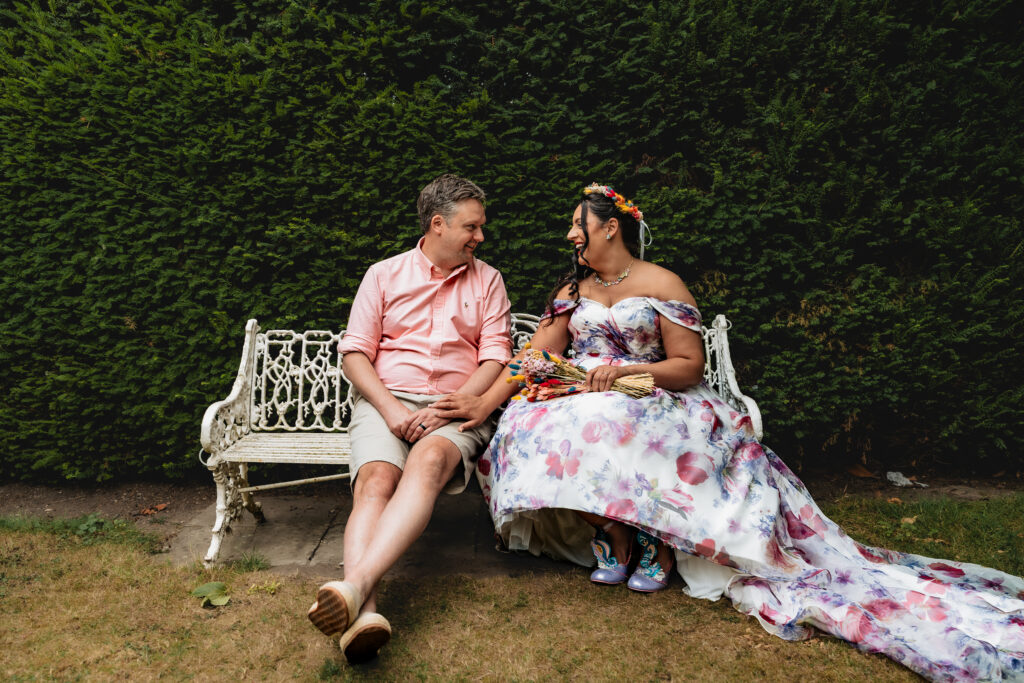
Your Wedding, Your Style
Whether you choose a colourful gown, a beautifully tailored suit, a vintage dress or a classic white wedding dress with an unexpected twist, your wedding outfit should be something you genuinely love.
There is no perfect formula, and there is certainly no need to follow a tradition that doesn’t feel right for you.
If you’re planning a wedding in Norfolk, Suffolk or Cambridgeshire, we’d love to welcome you to Hockwold Hall.
With beautiful gardens, historic interiors and a variety of ceremony and reception spaces, our Norfolk wedding venue provides a wonderful setting for celebrations of every style.
Ready to start imagining your wedding day? Book a private wedding viewing at Hockwold Hall and come and explore the possibilities.


